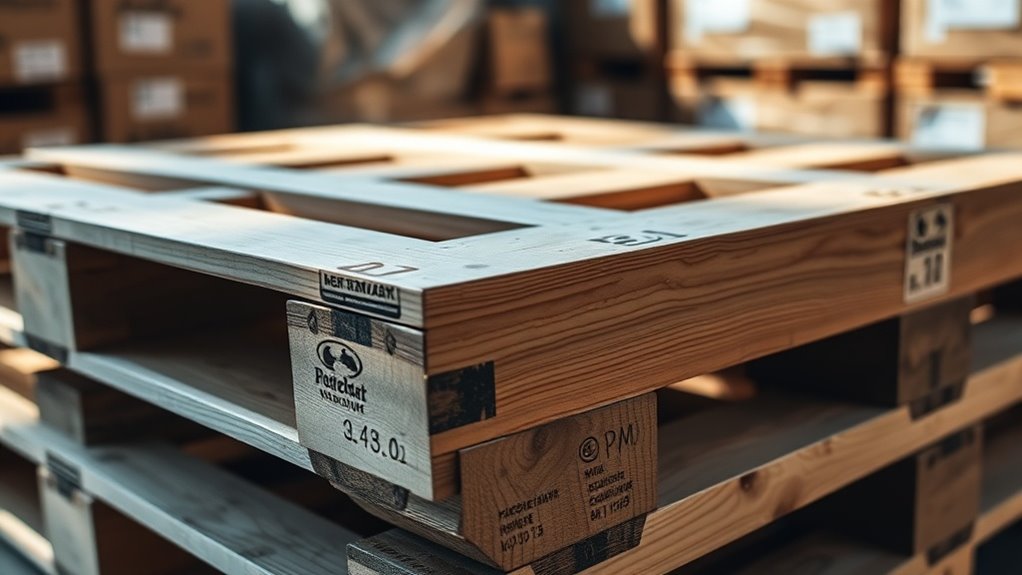
EPAL pallets in warehouse operations is easier to manage when the buying team starts with real operating facts. The pallet works with the product, wrap, truck, rack, and forklift. A weak link in that chain can affect the whole load. Industrial buyers in India may need pallets for local moves, long routes, exports, and repeat warehouse use. The plan should also fit racks, aisles, forklifts, pallet trucks, and the pace of daily movement.
Buyers should set measurable needs for size, build, condition, treatment, and timing. This makes supplier comparison fairer. The team should use the heaviest normal case, not the easiest example. It should also note any special load that needs a separate design. This cuts late changes and makes quotes easier to compare.
Teams reviewing EPAL wooden pallets options should compare the full specification, not only the first unit price. This review should cover the drawing, sample, tolerances, inspection method, and response to defects. A good pallet is not simply strong. It is fit for the product and the process. That practical view helps purchasing, quality, warehouse, and transport teams follow one plan.
Brief Overview
- Use clear checks for handling conditions instead of relying on a broad product label. Include automation fit in the drawing, quote, order, and incoming review. Review pallet dimensions with purchasing, warehouse, quality, and transport teams. Treat storage practice as part of total performance, not only the first price. Define incoming inspection early so the chosen pallet matches the real product and route.
Why Handling Conditions and Automation Fit Matter
For EPAL pallets in warehouse operations, start with handling conditions. Forklifts, pallet trucks, conveyors, racks, rough floors, and road travel place different forces on a pallet. Check the point at work. Describe the full route from packing line to final unload, not only the first lift. Ignoring one handling stage can create damage at the least convenient point in the journey. This keeps work clear. Buyers gain more control. The same rule can be used again.
Review automation fit before you approve the order. Conveyors, scanners, lifts, and automated stores need stable dimensions, clear openings, and repeat construction. Use real data. Test a sample on the real equipment and define the tolerances that affect sensors and movement. Small variation can cause jams, stops, or manual correction in a fast system. This cuts doubt. The team can check the result. Repeat orders become easier.
How to Plan Pallet Dimensions and Storage Practice
Do not leave pallet dimensions to chance. Length, width, and height affect racks, containers, trucks, conveyors, floor space, and product overhang. Write the final rule down. Measure the product base and every handling point before you confirm a standard or custom size. A small size error can waste space, block equipment, or leave cartons without full support. This cuts doubt. The team can check the result. Repeat orders become easier.
For EPAL pallets in warehouse operations, start with storage practice. A level, dry, and clean area helps pallets keep their shape and reduces trip, fire, and contamination risks. Check the point at work. Separate damaged units, keep stacks stable, protect them from rain, and leave safe access for inspection. Poor storage can undo the value of a well-made pallet before it carries a load. This gives the buyer control. It keeps the process simple. The rule can guide repeat work.
Managing Incoming Inspection and Repair Decisions in Daily Work
Incoming inspection can change how the pallet performs. A quick check can find split boards, proud nails, loose blocks, contamination, wrong size, or unclear marks. Test the choice where needed. Use a simple receiving checklist and sample enough units to reflect the size and risk of the order. Accepting every load without review can move hidden defects into production or dispatch. This gives the buyer control. It keeps the process simple. The rule can guide repeat work.
Do not leave repair decisions to chance. Some pallets can be repaired, while others should be removed because key parts or required marks are no longer sound. Write the final rule down. Set written repair limits and use trained or authorised repair channels when a controlled pallet system requires them. Information about EPAL pallets supplier in india is most useful when it is checked against the real product, route, and handling method. An unplanned repair may hide damage or create a pallet that no longer meets its intended standard. This makes the choice clear. The team can act with care. Future checks are easier.
Reviewing Pallet Pool Use and Safe Use Before Approval
Pallet pool use is a key part of the pallet plan. Standard pallets can move through shared and open logistics systems when users follow quality and exchange rules. Share the rule with the user team. Define who owns, returns, repairs, sorts, and records pallets at each handover. A pool loses value when damaged units circulate without control. This makes the choice clear. The team can act with care. Future checks are easier.
Safe use can change how the pallet performs. Safe pallet use depends on sound units, trained handling, stable loads, clear aisles, and prompt removal of damage. Test the choice where needed. Give operators simple reject rules and stop using any pallet that has a serious structural fault. Continuing with a damaged pallet can put people, goods, and equipment at risk. This supports safe work. It also keeps the plan simple. The result can be checked.
Frequently Asked Questions
What is a common mistake with handling conditions?
A common mistake is using a broad guess or an old rule. Ignoring one handling stage can create damage at the least convenient point in the journey. Describe the full route from packing line to final unload, not only the first lift.
Why does storage practice matter for EPAL pallets in warehouse operations?
A level, dry, and clean area helps pallets keep their shape and reduces trip, fire, and contamination risks. Poor storage can undo the value of a well-made pallet before it carries a load. A clear rule helps the team make a sound choice.
Can pallet pool use affect total pallet cost?
Yes. A pool loses value when damaged units circulate without control. Clear roles support reuse and steady availability. Review both the first price and the effect on daily work.
Who should approve automation fit?
Purchasing should Wooden Pallets Manufacturer in Bangalore not decide alone. The user, warehouse, quality, and transport teams should confirm the need. Test a sample on the real equipment and define the tolerances that affect sensors and movement.
How should buyers review incoming inspection?
Review it before the quote and drawing are approved. Use a simple receiving checklist and sample enough units to reflect the size and risk of the order. Keep the final rule in the order or drawing.
Summarizing
EPAL pallets in warehouse operations works best when the pallet is treated as part of the full unit load. Define the product, weight, footprint, route, handling method, storage plan, and expected life. Then compare suppliers against one written requirement. This approach makes price, quality, and timing easier to judge.
Start with the points that create the highest risk, then test the choice in real work. Keep useful records and review damage or delay with facts. For teams in India, a steady process can support safer handling, clearer buying, and more reliable pallet supply.